
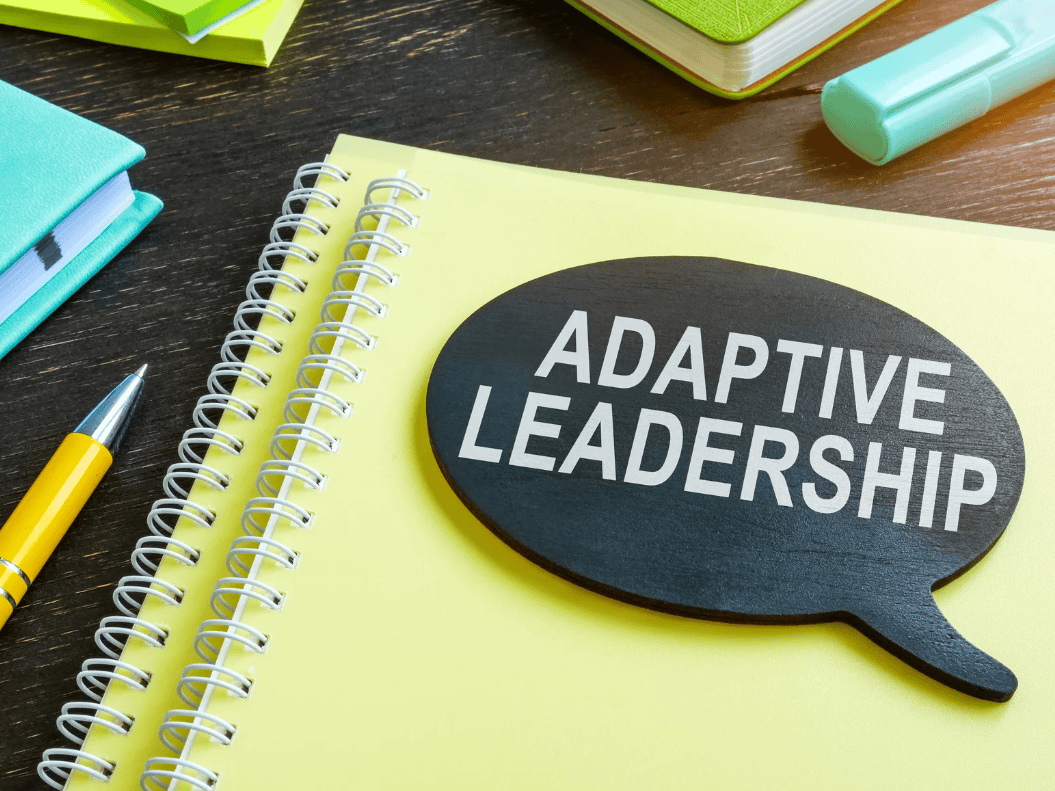
In today’s rapidly changing world, the ability to adapt is essential for effective leadership. Leaders face numerous challenges, from technological shifts to global crises, that demand a flexible approach to strategy. Embracing flexibility in leadership isn’t just a nice-to-have; it’s essential for success.
Why Flexibility Matters
Flexibility in leadership means being open to change and actively seeking it. Here are a few reasons why:
Navigating Change
Economic fluctuations and social shifts can disrupt even the best plans. Leaders who can pivot their strategies in response to these changes position their organizations for resilience and growth.
Balancing Goals
Flexibility allows leaders to address immediate challenges while keeping an eye on long-term objectives. This balance fosters innovation and helps maintain team morale, ensuring everyone is aligned with the organization’s vision.
Cultivating Adaptability
When leaders model flexibility, they encourage their teams to do the same. This creates an environment where creativity and problem-solving thrive, leading to better outcomes.
Real-World Relevance
Recent trends highlight the need for adaptable leadership. The shift to hybrid work environments and the rapid integration of AI and digital tools are prime examples. Leaders who embrace these changes are setting their teams up for success.
Companies that quickly adapted during the COVID-19 pandemic not only survived but thrived. They reassessed their goals, embraced new technologies, and maintained open communication, which was key to their resilience.
Practical Applications
To cultivate flexibility in your leadership style, consider these actionable tips:
- Reassess Goals Regularly: Review your objectives based on new data or feedback to ensure your strategy remains relevant.
- Encourage Open Communication: Foster a culture where team members feel comfortable sharing their thoughts and concerns, helping you stay attuned to their needs.
- Embrace Diverse Perspectives: Involve team members from various backgrounds in strategic discussions to gain valuable insights.
- Be Willing to Experiment: Don’t hesitate to try new tactics. If something doesn’t work, learn from it and adjust accordingly.
- Lead by Example: Demonstrate flexibility in your own actions. When they see you adapting to challenges, they’ll be more likely to follow suit.
Flexibility is a hallmark of effective leadership in today’s fast-paced environment. By prioritizing adaptability in your strategic approach, you can navigate uncertainty and position your team for success. Try incorporating these strategies into your leadership style today and watch how it transforms your approach to challenges.
If you’d like a copy of the RISE Method guide, contact me and I’ll send it your way.
Work well,


Adriana McLane
I help privately held distributors build strategy that holds up through growth, leadership transition, and what comes next. Fifteen years running Fulfilling Strategy, the last six spent deep inside distribution, working alongside the leadership of privately held distribution companies to build strategy that holds when a competitor moves in on your territory, when a President steps back, and when the next generation takes the lead. More about Adriana →
Want help putting this to work?
I work alongside leadership teams to turn intention into how the work actually gets done, week after week, in the field.